Key takeaways
- Neurology is a realistic IMG pathway, but applicants must understand categorical, advanced, and physician-reserved tracks.
- In the 2026 NRMP Match, adult neurology had 1,260 combined positions across PGY-1, PGY-2 advanced, and physician-reserved tracks, with 289 total IMG matches.
- Advanced neurology applicants need a separate, visa-compatible preliminary-year strategy.
- A strong IMG neurology application usually needs neurologist letters, recent clinical exposure, specialty-specific reasoning, and a careful signal plan.
- The best program list is built around visa fit, eligibility, structure, geography, neurology interests, and realistic preliminary-year planning.
Start with the right definition
IMG-friendly neurology does not mean automatic, low-standard, or safe. It means a program has practical signals that a strong international graduate may be seriously reviewed: prior IMG representation, diverse patient exposure, a public or regional mission, transparent eligibility language, visa possibility, or a training environment where the applicant can tell a specific neurology story.
Neurology also has a structure issue that some applicants miss. Adult neurology positions can be categorical PGY-1, advanced PGY-2, or physician-reserved. Categorical positions include the first year. Advanced positions require applicants to separately secure a preliminary year. Physician-reserved positions are usually for applicants who already have qualifying prior training.
Use this guide as a research framework, not a final ERAS list. Program directors change, visa policies change, program signaling changes, and ERAS pages can be more current than public websites. Before applying, verify every program in ERAS, FREIDA, the ACGME public database, the official website, and direct program communication when necessary.
What the national data says
Neurology is one of the stronger specialty options for IMGs who have real neurologic interests and a careful list. In the 2026 Main Residency Match, adult neurology offered 1,003 PGY-1 positions, 233 PGY-2 advanced positions, and 24 physician-reserved positions.
The IMG numbers are meaningful. The PGY-1 adult neurology row matched 49 U.S. IMGs and 175 non-U.S. IMGs. The PGY-2 advanced row added 12 U.S. IMGs and 38 non-U.S. IMGs. The physician-reserved row added 2 U.S. IMGs and 13 non-U.S. IMGs. Across those adult neurology tracks, that is 289 total IMG matches.
That accessibility should not be misunderstood. Adult neurology filled almost completely: 999 of 1,003 PGY-1 positions, all 233 PGY-2 advanced positions, and 23 of 24 physician-reserved positions. A strong list matters because a casual application still gets filtered.
| Adult neurology track | Positions offered | Filled | Unfilled | U.S. IMG matches | Non-U.S. IMG matches | IMG meaning |
|---|---|---|---|---|---|---|
| Neurology PGY-1 | 1,003 | 999 | 4 | 49 | 175 | The largest adult neurology route; often attractive because categorical training can include the first year. |
| Neurology PGY-2 advanced | 233 | 233 | 0 | 12 | 38 | A real IMG pathway, but applicants must also secure an acceptable preliminary year. |
| Neurology physician-reserved | 24 | 23 | 1 | 2 | 13 | Useful for a smaller group of applicants with prior qualifying training; eligibility must be checked carefully. |
| Adult neurology combined | 1,260 | 1,255 | 5 | 63 | 226 | Neurology is realistic for strong IMGs, but it is still nearly fully subscribed nationally. |
| Related PGY-1 pathway | Positions offered | Filled | Unfilled | U.S. IMG matches | Non-U.S. IMG matches | Why it matters |
|---|---|---|---|---|---|---|
| Medicine preliminary PGY-1 only | 1,565 | 1,430 | 135 | 48 | 129 | Many advanced neurology applicants need a medicine-heavy first year; visa and eligibility filters still apply. |
| Transitional PGY-1 only | 1,937 | 1,746 | 191 | 92 | 110 | Some applicants use transitional years, but each advanced neurology program's PGY-1 requirement must be verified. |
IMG demand is high too
Neurology's IMG opportunity sits next to real IMG competition. In the 2026 NRMP applicant preference tables, 104 U.S. IMGs and 513 non-U.S. IMGs ranked neurology as their only or first-choice specialty when categorical, advanced, and physician-reserved positions were grouped together.
Among applicants who ranked only one specialty, neurology had a notable unmatched rate for IMGs: 24 of 53 U.S. IMG only-choice neurology applicants were unmatched, and 136 of 258 non-U.S. IMG only-choice applicants were unmatched. That table does not describe every applicant, but it warns against treating neurology as a backup specialty.
The right conclusion is balanced: neurology is accessible enough to be worth serious effort, but competitive enough that generic applications, weak letters, visa surprises, or poorly planned preliminary-year lists can sink otherwise good applicants.
| IMG group | Only-choice applicants | First-choice applicants | Top-choice total | Only-choice matched | Only-choice unmatched | Strategic takeaway |
|---|---|---|---|---|---|---|
| U.S. IMGs | 53 | 51 | 104 | 29 | 24 | U.S. IMGs can match neurology, but the list still needs strong eligibility and fit. |
| Non-U.S. IMGs | 258 | 255 | 513 | 122 | 136 | Non-U.S. IMGs make neurology a major target, so visa and program fit matter early. |
| All IMGs | 311 | 306 | 617 | 151 | 160 | Build a neurology-specific application instead of relying on national IMG match volume. |
Categorical, advanced, and reserved
Neurology applicants should decide early how they will handle program structure. A categorical program is simpler because the intern year is part of the neurology program. An advanced program can be excellent, but it creates a second matching problem: the PGY-1 year.
For IMGs, this matters because the preliminary-year program may have different visa rules, graduation-year filters, ECFMG timing expectations, Step 3 requirements, or USCE preferences than the neurology program. A perfect advanced neurology interview does not solve a missing preliminary year.
The physician-reserved pathway should be treated as a separate strategy. It may fit applicants with prior training, but eligibility is program-specific and should be verified directly before using an application slot or signal.
| Track | Best for | Main IMG risk | How to plan |
|---|---|---|---|
| Categorical neurology | Applicants who want the least fragmented path from PGY-1 through neurology training | Assuming every program has the same intern-year curriculum or visa policy | Verify PGY-1 structure, hospital system, visa, and whether preliminary rotations fit your goals. |
| Advanced neurology | Applicants willing to rank a separate preliminary year and manage two lists | Matching advanced neurology without a compatible PGY-1 year | Build medicine preliminary and transitional-year lists with the same discipline as the neurology list. |
| Physician-reserved neurology | Applicants with prior training who meet specific eligibility rules | Applying without confirming whether prior training qualifies | Contact programs early and verify eligibility, start date, visa, and credit for prior training. |
How this top 20 was built
This is not a pure prestige ranking. It is an IMG strategy ranking. For an IMG, a famous department is valuable only if the application can pass eligibility filters and the applicant can explain a credible fit with the patients, structure, and training environment.
I weighted six signals: practical IMG value, urban or regional patient exposure, public or safety-net mission, categorical or advanced planning clarity, subspecialty breadth, and whether a strong IMG could write a specific program-fit argument. Public visa language is often incomplete, so the table uses conservative wording.
Some programs below are realistic targets for strong IMGs. Some are reach targets. Some are especially useful for applicants with a regional tie, a visa-compatible profile, or a neurologic interest such as stroke, epilepsy, movement disorders, neuroimmunology, neuromuscular disease, neurocritical care, or underserved neurology.
- IMG signal: visible resident diversity, historical IMG pathways, public mission, or enough academic infrastructure to review a strong nontraditional applicant.
- Training signal: stroke, epilepsy, EEG, EMG, movement disorders, neurocritical care, MS, neuromuscular, behavioral neurology, consults, continuity clinic, and county or regional referral exposure.
- Application signal: whether your background gives you a credible reason to apply beyond name recognition.
- Structure signal: whether categorical, advanced, and preliminary-year planning can be handled realistically.
- Risk control: visa status, graduation year, Step attempts, Step 2 CK, ECFMG timing, USCE, letters, signals, and interview readiness.
Top 20 comparison table
Use this table as a starting point for deeper research, not as a final apply list. The best neurology list for an IMG is layered: a few high-visibility IMG programs, many realistic regional or community-academic programs, and mission-fit programs where the applicant can explain the patient population and neurologic exposure.
For visa-needing applicants, the visa and PGY-1 structure questions should come before prestige. If a program is advanced-only or has separate PGY-1 requirements, the preliminary-year plan must be built at the same time.
| # | Program | Location | Best IMG fit | Role in list | Why it is valuable |
|---|---|---|---|---|---|
| 1 | SUNY Downstate Health Sciences University | Brooklyn, NY | IMGs with urban safety-net interest, diverse-patient experience, and strong clinical communication | High-yield urban target | Brooklyn training can support a strong story around high-volume neurology, underserved care, stroke, consults, and multilingual patient populations. |
| 2 | University of Florida College of Medicine Jacksonville | Jacksonville, FL | IMGs seeking an academic-community neurology environment with broad adult neurology exposure | High-yield regional target | UF Jacksonville gives applicants a practical neurology training environment with academic structure and a large regional patient base. |
| 3 | Wayne State University / Detroit Medical Center | Detroit, MI | IMGs with urban medicine, stroke, underserved care, and Midwest fit | High-yield urban academic target | Detroit training can fit applicants who have strong inpatient neurology, vascular neurology, public health, and diverse-care stories. |
| 4 | Rutgers New Jersey Medical School | Newark, NJ | IMGs with New Jersey or urban academic fit, strong neurology letters, and service-oriented goals | High-yield mission-fit target | Rutgers NJMS offers an urban academic environment where applicants can connect neurology to diverse patients, inpatient consults, and public-facing care. |
| 5 | UTHealth Houston McGovern Medical School | Houston, TX | Strong IMGs with Texas ties, vascular neurology, neurocritical care, or large-hospital fit | Reach or high-value academic target | Houston's clinical scale can support a powerful application story around stroke systems, consult volume, complex disease, and academic neurology. |
| 6 | University at Buffalo | Buffalo, NY | IMGs with Northeast fit, academic neurology goals, and interest in broad subspecialty exposure | Strong regional target | Buffalo gives applicants an academic department with regional referral value and a clear adult neurology training page. |
| 7 | SUNY Upstate Medical University | Syracuse, NY | IMGs with Upstate New York ties, regional-service fit, and broad adult neurology interests | Strong regional target | SUNY Upstate can be useful for applicants who want an academic public-university setting and can explain a regional neurology fit. |
| 8 | University of Connecticut | Farmington, CT | IMGs with Northeast ties, academic neurology interest, and careful eligibility fit | Regional academic target | UConn provides an academic neurology setting that can fit applicants with a polished clinical story and interest in New England training. |
| 9 | University of New Mexico | Albuquerque, NM | IMGs with underserved, rural, Indigenous health, stroke, epilepsy, or Southwest fit | Mission-fit target | UNM can support a distinctive application story around regional referral care, underserved communities, and broad neurologic disease. |
| 10 | University of Arkansas for Medical Sciences | Little Rock, AR | IMGs open to regional academic neurology with practical training breadth | Regional academic target | UAMS offers a public academic setting with broad adult neurology exposure and a useful application page for eligibility review. |
| 11 | LSU Health Shreveport | Shreveport, LA | IMGs with Gulf South, regional neurology, stroke, and service-oriented fit | Regional mission target | LSU Shreveport can fit applicants who connect neurology to regional referral care, stroke, inpatient consults, and service in Louisiana. |
| 12 | University of South Alabama | Mobile, AL | IMGs with Southeast ties, general neurology interest, and regional health-system fit | Regional target | South Alabama gives applicants a practical academic neurology setting with a regional patient base and less saturated geography. |
| 13 | University of Kansas Medical Center | Kansas City, KS | IMGs with Midwest fit, academic neurology interests, and strong clinical preparation | Regional academic target | Kansas offers academic neurology breadth with Midwest geography, useful for applicants who can show specific regional or subspecialty fit. |
| 14 | University of Missouri-Kansas City | Kansas City, MO | IMGs seeking urban Midwest neurology and community-academic exposure | Regional target | UMKC can fit applicants who want a clinically grounded neurology program and can connect their story to Kansas City patient care. |
| 15 | Allegheny Health Network | Pittsburgh, PA | IMGs interested in health-system neurology, stroke, epilepsy, and practical subspecialty exposure | Community-academic target | AHN offers a large health-system environment that can fit applicants seeking clinically strong adult neurology training outside a traditional university-only model. |
| 16 | Henry Ford Hospital | Detroit, MI | Strong IMGs with Detroit ties, high-volume hospital interest, and subspecialty neurology goals | Reach or urban health-system target | Henry Ford is a strong health-system target for applicants with serious clinical neurology, stroke, epilepsy, and complex-care interests. |
| 17 | Cleveland Clinic Florida | Weston, FL | Strong IMGs with Florida fit, multilingual care strengths, and health-system neurology interest | Reach or regional health-system target | Cleveland Clinic Florida can be valuable for applicants who connect neurology to South Florida patient diversity and a structured health-system environment. |
| 18 | University of Toledo | Toledo, OH | IMGs with Midwest fit, general neurology goals, and practical clinical readiness | Regional target | Toledo provides a clear official neurology residency page and a regional academic setting that can fit applicants building a balanced list. |
| 19 | Texas Tech University Health Sciences Center Lubbock | Lubbock, TX | IMGs with Texas or regional fit, broad adult neurology goals, and strong preliminary-year planning | Regional target | Texas Tech Lubbock can fit applicants who want a regional academic program with a clearly published residency and application structure. |
| 20 | Albany Medical College | Albany, NY | IMGs with Northeast fit, academic-community interests, and broad neurology exposure | Regional target | Albany offers a Northeast academic medical center environment that can help round out a balanced IMG neurology list. |
Compare by applicant type
The same neurology program can be a smart target for one IMG and a poor use of money for another. Start with hard filters: visa, graduation year, attempts, Step 2 CK, ECFMG timing, neurology letters, U.S. clinical exposure, and whether the program is categorical or advanced.
A strong neurology list also needs a preliminary-year plan if advanced positions are included. For non-U.S. citizen IMGs, the PGY-1 program and neurology program must both be compatible with the visa timeline.
| Applicant type | Best targets | Main risk | How to adjust the list |
|---|---|---|---|
| U.S. IMG or permanent resident | Programs where visa is not limiting and the neurology record is clear | Assuming no visa need makes any program realistic | Prioritize clinical fit, geography, letters, Step performance, and categorical versus advanced preference. |
| Non-U.S. IMG needing J-1 | Programs with current ERAS or GME confirmation of J-1 consideration | Applying broadly without checking whether advanced neurology and the PGY-1 year both support J-1 timing | Sort by visa first, then by program structure, geography, and neurology-specific fit. |
| Non-U.S. IMG needing H-1B | Programs with explicit H-1B language and realistic Step 3, ECFMG, and licensing timing | Assuming hospital-level H-1B policy applies to every neurology and preliminary-year program | Verify H-1B policy early and include only programs where Step 3 and start-date timing are realistic. |
| Applicant with strong home-country neurology exposure | Programs where prior neurology work can be translated into U.S. residency readiness | Sounding clinically experienced but unfamiliar with U.S. documentation, teamwork, and trainee role expectations | Use recent U.S. clinical experience, humility, and neurologist letters to show readiness to train. |
| Applicant without neurology letters | Programs only after building more neurology evidence | Applying with a generic internal medicine or broad clinical application | Seek neurology observerships, research, case presentations, or mentors before making neurology the main target. |
| Applicant applying advanced neurology | Programs where the applicant can also build a realistic preliminary-year rank list | Focusing on PGY-2 interviews and neglecting PGY-1 match risk | Build the preliminary-year list in parallel and verify visa, ECFMG, and Step 3 policies separately. |
Program signaling strategy
Neurology signaling rules can change by application cycle, so verify current AAMC and ERAS guidance before submitting. The strategic principle is stable: signals are not wishes. They are scarce attention tools.
A good signal target should pass three tests. First, the program can realistically consider your visa and eligibility profile. Second, the program's categorical or advanced structure fits your plan. Third, your application has neurology-specific evidence that matches the program's patients, geography, or subspecialty strengths.
For IMGs, a signal backed by a neurologist letter, U.S. neurology exposure, research, regional tie, language skills, or a specific subspecialty interest is stronger than a prestige-only signal.
| Signal decision | Best use | Avoid | IMG-specific note |
|---|---|---|---|
| Highest-priority signals | Programs where visa, structure, geography, letters, and neurologic interests overlap | Using top signals only on famous programs with no connection to your file | If your advisor would not understand the signal, rethink it. |
| Categorical signals | Programs where the built-in PGY-1 year is a major advantage for your visa or training plan | Ignoring whether the intern year actually fits your needs | Categorical structure can reduce preliminary-year risk, but eligibility still matters. |
| Advanced-program signals | Programs with strong PGY-2 fit where you also have a realistic preliminary-year strategy | Signaling an advanced program without a serious PGY-1 plan | Your interview answers should show that the two-list problem is already handled. |
| Mission-fit signals | Programs where your background matches stroke, underserved care, rural health, language access, or regional need | Using mission language without proof | The fit should be visible in your CV, letters, and personal statement. |
Hard filters before you apply
Neurology applicants need to check filters before paying for applications or spending signals. This is especially important for non-U.S. citizen IMGs because a hospital's general visa policy may not reflect what the neurology program or preliminary-year program can support.
The highest-risk mistake is building one neurology list without structure labels. Every program should be marked as categorical, advanced, physician-reserved, or mixed, and every advanced application should have a matching PGY-1 plan.
| Filter | What to verify | Why it matters |
|---|---|---|
| Program structure | Categorical, advanced, physician-reserved, or mixed | Advanced neurology requires separate PGY-1 planning. |
| Preliminary-year requirement | Medicine preliminary, transitional year, surgery preliminary, or program-specific requirements | A PGY-2 neurology match does not help if the PGY-1 requirement is not met. |
| Visa sponsorship | J-1, H-1B, both, neither, or institution-specific exceptions | IMG-friendly and visa-friendly are not the same thing. |
| Step 3 timing | Whether H-1B consideration requires Step 3 before rank list, contract, or start date | Late Step 3 can remove otherwise strong non-U.S. IMG applicants. |
| Graduation year | Maximum years since graduation and whether recent clinical work offsets time | Older graduates need current clinical proof and clear momentum. |
| USMLE attempts | Whether failed attempts are automatic screens | Attempts can be overcome in some cases, but only with a stronger overall file. |
| Neurology letters | Whether neurologist letters are required or strongly expected | Generic medicine letters may not show commitment to neurology. |
| ECFMG timing | Certification deadline for interview, ranking, contract, and start date | Late certification can affect both neurology and preliminary-year eligibility. |
What makes a neurology IMG application strong
A strong IMG neurology application shows more than interest in a specialty with a good IMG track record. It shows neurologic reasoning, bedside localization, patient-centered communication, comfort with chronic disease, and curiosity about complex diagnosis.
Scores matter, but they are not enough. The application should show that neurologists have seen your work and can comment on your clinical thinking, professionalism, communication, and readiness for inpatient and outpatient neurology.
For many IMGs, the highest-yield additions are recent U.S. clinical exposure, a neurologist letter, a case report or poster, and a personal statement that explains why neurology rather than internal medicine, psychiatry, PM&R, neurosurgery, or research alone.
- USMLE: Step 2 CK should be solid for the applicant's context, and any attempts need a clear repair story.
- Letters: neurologist letters are powerful, especially when they describe localization, consult work, communication, and follow-through.
- Clinical exposure: U.S. neurology observerships, inpatient consult exposure, outpatient clinics, stroke service, EEG, EMG, or neuro ICU exposure can help.
- Research: case reports, posters, retrospective projects, QI, stroke, epilepsy, neuromuscular, movement disorders, MS, or neurocritical care work can strengthen the file.
- Fit story: connect your background to patient populations, neurologic disease burden, language skills, underserved care, or subspecialty goals.
- Preliminary-year plan: if applying advanced neurology, show that the PGY-1 strategy is mature and visa-compatible.
Build a smarter final list
A smart IMG neurology list has layers. Separate categorical programs from advanced programs. Separate visa-confirmed programs from visa-unclear programs. Separate realistic targets from reach programs. Then build a preliminary-year list if any advanced neurology programs remain.
For every program, write one sentence before applying: 'This program should interview me because...' If the sentence is generic, the program may not deserve a signal or application fee.
Neurology rewards specificity. Stroke-heavy applicants should know which programs have strong vascular exposure. Epilepsy applicants should know where EEG and epilepsy rotations are strong. Applicants with underserved-care stories should know the patient population. This is how a list becomes strategic rather than long.
- Mark every program as categorical, advanced, physician-reserved, or mixed.
- Create a separate preliminary-year list for advanced neurology applications.
- Sort by visa and eligibility before sorting by reputation.
- Use signals only where eligibility, program structure, geography, and neurologic fit overlap.
- Ask a neurology mentor to review your final list before submission.
- Keep program-specific notes so interview answers sound specific rather than recycled.
Bottom line
Neurology is one of the more realistic specialty pathways for strong IMGs, but the best applicants still treat it with discipline. In 2026, adult neurology offered 1,260 combined PGY-1, PGY-2 advanced, and physician-reserved positions, and 289 of the matched applicants across those tracks were IMGs.
The opportunity is real, but so is the competition. The strongest IMG neurology applicants build a program list around eligibility, visa, categorical versus advanced structure, preliminary-year planning, neurology letters, recent clinical proof, and a specific reason each program should care about their application.
Books & equipment
For neurology rounds and examinations
Localization, clinical neurology, and examination tools for preparing for supervised neurologic assessments.
Neurology
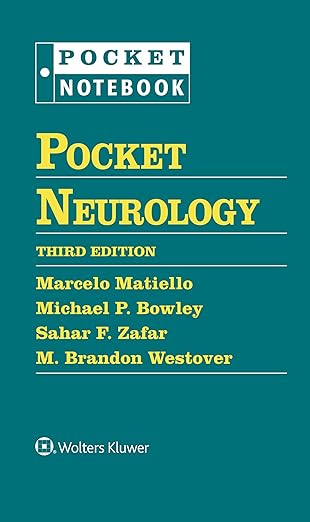
Pocket Neurology
M. Brandon Westover MD PhD
3rd edition · 2021Review localization, common neurologic presentations, and questions that come up during a neurology rotation.
Neurology
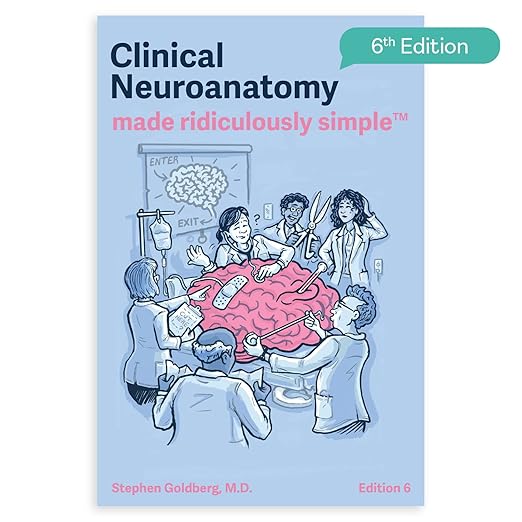
Clinical Neuroanatomy Made Ridiculously Simple
Stephen Goldberg M.D.
6th edition · 2022Revisit the neuroanatomy behind examination findings and localization before neurology or medicine teaching rounds.

Neurology
Neurology for the Non-Neurologist
Steven L. Lewis
7th edition · 2025A neurology reference for residents in other specialties who want a clearer approach to common neurologic presentations.
Clinical equipment
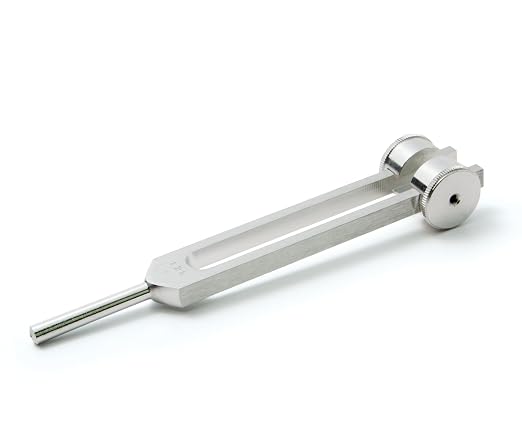
ADC 128 Hz Tuning Fork
ADC
128 Hz · Fixed weights · AluminumAn examination tool to consider when your neurology or medicine service expects you to carry a vibration-testing tuning fork.

Clinical equipment
ADC 512 Hz Tuning Fork
ADC
512 Hz · AluminumA tuning fork for supervised bedside hearing examinations when personal examination equipment is required by your program.

Clinical equipment
ADC Taylor Reflex Hammer
ADC
Taylor style · RedA compact examination tool for reflex testing when your clinical service expects you to carry your own equipment.
Check current prices, editions, sizes, and seller details on Amazon.
Official resources
Common questions
Is neurology IMG-friendly?
Neurology is one of the more realistic non-primary-care specialties for strong IMGs, but it is still competitive. In the 2026 NRMP Match, adult neurology offered 1,003 PGY-1 positions, 233 PGY-2 advanced positions, and 24 physician-reserved positions. Across those adult neurology tracks, 63 U.S. IMGs and 226 non-U.S. IMGs matched.
Are these the only IMG-friendly neurology programs?
No. This is a research shortlist, not a complete list and not a match guarantee. Neurology program leadership, visa policy, graduation-year filters, Step attempt rules, categorical versus advanced structure, signaling behavior, and interview practices can change. Verify every program in ERAS, FREIDA, the ACGME database, the official program page, and direct program communication when necessary.
Should IMGs apply categorical neurology or advanced neurology?
Many applicants prefer categorical neurology because the PGY-1 year is built into the program. Advanced neurology can still be an excellent path, but applicants must also secure a compatible preliminary year, usually medicine preliminary or transitional year depending on program requirements. The preliminary-year list needs the same visa and eligibility screening as the neurology list.
What makes an IMG neurology application competitive?
A strong IMG neurology application usually shows solid USMLE performance, recent neurology exposure, neurologist letters, patient-centered communication, evidence of interest in stroke, epilepsy, movement disorders, neurocritical care, neuromuscular medicine, MS, behavioral neurology, or general neurology, and a realistic program list built around visa status and categorical or advanced structure.