Key takeaways
- A research year helps only when it produces mentorship, output, and a stronger specialty story.
- Vague unpaid research without deliverables can become a delay.
- Clinical readiness and interview practice still need protected time.
- The decision should start with an honest diagnosis of why the applicant did not match.
Do research for a reason
A research year can strengthen a reapplication, but only when it solves a real problem. It can create a mentor, abstract, poster, manuscript, quality-improvement project, stronger specialty fit, and a more credible story. It is weaker when it simply fills time after a disappointing cycle.
Before accepting any position, decide what the year is meant to fix. Are you trying to show specialty commitment? Build U.S. academic references? Produce scholarship? Stay connected to a department? Explain an unmatched year? Change specialties? Each goal requires a different role.
The worst research year is vague unpaid labor with no mentor, no timeline, no output, and no time left for clinical readiness. The title may sound respectable, but residency programs judge evidence.
Diagnose why you did not match first
Do not choose research until you have audited the application. Research helps some weaknesses and ignores others. If the problem was no interviews, you need to examine specialty choice, program list, scores, visa filters, geography, graduation year, letters, and ERAS materials. If the problem was interviews but no match, you need to examine communication, fit answers, rank strategy, and how programs perceived readiness.
A research year is strongest when the application already has clinical credibility and needs academic depth, specialty alignment, or a stronger mentor. It is weaker when the file lacks recent patient-facing evidence or strong letters from U.S. clinical settings.
Use NRMP data and program research to understand whether your target specialty values research heavily or whether your time would be better spent on USCE, exam repair, interview preparation, or a broader program list.
Evaluate the mentor before the title
The mentor matters more than the title. A strong mentor meets regularly, clarifies authorship, gives feedback, understands residency timelines, and tells you the truth about your competitiveness.
A famous department with no supervision may produce less value than a smaller team with active projects and a mentor who invests in you. Ask for specifics before accepting. If the answers are vague, the year may stay vague.
A useful research mentor should be able to explain what you can complete in three months, six months, and twelve months. They should also be able to explain how previous trainees did after similar roles.
- What projects are active now?
- What can be completed in three, six, and twelve months?
- How often will we meet?
- What are authorship expectations?
- Have previous trainees presented or published?
- Have previous trainees matched, and into what kinds of programs?
- Will I have time for clinical exposure, interviews, and application work?
Look for deliverables, not vibes
A research year should produce concrete deliverables. These may include an abstract submission, poster, oral presentation, manuscript, case report, quality-improvement project, database analysis, literature review, protocol, grant work, or strong letter from a mentor who knows your work.
Not every project needs to become a publication before ERAS opens, but the timeline should be realistic. If the only possible output is a manuscript submitted after rank lists are due, it may still help your development but may not help the upcoming application cycle much.
Track progress weekly. Keep a document with project titles, your role, tasks completed, skills learned, meetings attended, submissions, deadlines, and feedback. This becomes raw material for ERAS and interviews.
Keep clinical readiness alive
Research can pull you away from clinical practice. Protect time for patient communication, note writing, specialty reading, and interview practice. If possible, pair research with observership, clinical volunteering, simulation, scribing, or another appropriate patient-adjacent role.
This is especially important for IMGs and older graduates. A program may appreciate research but still wonder whether you are ready for the pace, supervision, documentation, and communication style of U.S. residency.
If the research role consumes all clinical preparation time, ask whether it is actually repairing the most important weakness.
Protect the application timeline
The research year can disappear quickly. Build the reapplication calendar backward from ERAS submission, letter deadlines, interview season, and Match Week. Decide by spring what your specialty, program list, letter plan, and updated personal statement need to look like.
Do not wait until August to ask whether the mentor can write. Do not wait until September to discover that your project has no visible output. Do not wait until interview season to practice explaining the unmatched year.
Your research work and application work need separate calendar blocks. Otherwise, urgent project tasks will consume the quieter but equally important work of reapplying well.
Know when research is the wrong repair
If your file lacks recent patient-facing evidence, research without clinical contact may not be enough. If interviews were the problem, a publication will not fix communication by itself. If the program list was unrealistic, research will not fix strategy unless the new list changes.
Research may also be the wrong choice if the role is unpaid and financially unsustainable, if it blocks exam preparation, if authorship is unclear, if the mentor cannot meet, or if the project is unrelated to your target specialty without a clear explanation.
Choose research when it matches the weakness, not because it sounds respectable.
How to explain the year in ERAS and interviews
The reapplication story should be calm and specific. Avoid framing the research year as a desperate backup plan. Frame it as a deliberate response to the previous cycle.
A strong explanation sounds like this: After not matching, I reviewed my application and realized I needed stronger specialty alignment and mentorship. I joined a clinical research team focused on heart failure outcomes, contributed to a database project and abstract, and continued clinical preparation through weekly case review and interview practice. The year helped me clarify my interest in internal medicine and strengthened how I discuss evidence-based care.
That answer works because it names the gap, the action, the output, and the new readiness.
A decision checklist
Before accepting a research year, answer these questions honestly. If too many answers are weak, keep searching or choose a different repair strategy.
- Does this role address the reason I did not match?
- Will I have a named mentor who meets regularly?
- Are there realistic outputs before ERAS submission?
- Is authorship or acknowledgement discussed clearly?
- Is the work relevant to my target specialty or story?
- Can I maintain clinical readiness at the same time?
- Can I afford the role financially and logistically?
- Will this mentor be able to write a specific letter if I earn it?
- Can I explain the year in one confident interview answer?
Books & equipment
Get ready for residency
Step 3 preparation, ward references, and clinical essentials selected for doctors working toward the Match and the start of residency.

Step 3
Master the Boards USMLE Step 3
Conrad Fischer
8th edition · 2026Work through management decisions alongside your Step 3 question bank and CCS practice.

Ward reference
Pocket Medicine
Marc S. Sabatine
9th edition · 2025A compact internal medicine reference for pre-round reading, clinical differentials, and reviewing the day’s cases.
Ward reference
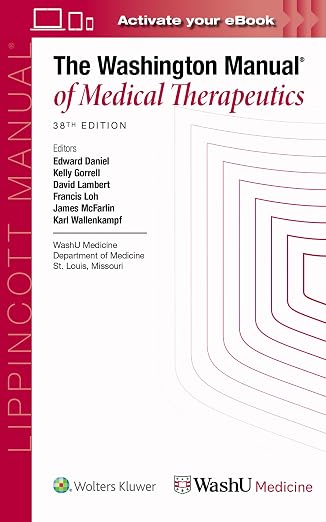
The Washington Manual of Medical Therapeutics
Washington University
38th edition · 2026A more detailed ward companion for admissions, common inpatient problems, and the transition into intern year.

Clinical equipment
Littmann Classic III Stethoscope
Littmann
Model 5620 · Black · 27-inchAn everyday bedside examination tool to consider for rotations and residency if you need to replace your current stethoscope.

Clinical equipment
The Physicians Folding Clipboard
Fellow Medical
Trifold · Letter-size paper · BlackA folding clipboard for organizing paper notes on rounds. Follow your hospital’s policies for patient information.

Scrubs
COZYFIT Women’s Scrub Set
COZYFIT
Women’s fit · Select size and color on AmazonA V-neck top and jogger set for clinical days. Check your hospital’s required color and whether it supplies scrubs.
Check current prices, editions, sizes, and seller details on Amazon.
Official resources
Common questions
Is a research year worth it after not matching?
It can be worth it if the role has mentorship, realistic deliverables, specialty relevance, and time to maintain clinical readiness.
What should I ask before accepting?
Ask about active projects, meeting frequency, authorship expectations, timeline, previous trainee outputs, and how the mentor supports residency goals.
Can research fix a weak residency application?
Only if research addresses the actual weakness. If the problem was recent clinical exposure, communication, scores, specialty mismatch, or interview performance, research alone may not repair it.