Key takeaways
- Confirm match status and SOAP eligibility before taking action.
- Use Match Week to act quickly, professionally, and inside official rules.
- After SOAP, shift from emergency mode to a repair audit.
First hour: verify status and eligibility
Do not start with panic-emailing. Confirm whether you are unmatched, partially matched, or fully unmatched, and whether you are SOAP eligible. Your options depend on that status.
NRMP is the official source for SOAP eligibility and unfilled program access.
Same day: organize your documents
Set up one place for your CV, personal statement versions, transcript and score information, letters, program tracker, advisor contacts, and login information. You need speed, but speed without organization creates mistakes.
- Apply only where eligible.
- Track program, specialty, requirement, and status.
- Prepare a short fit answer for each specialty.
- Keep every message professional.
- Do not send emotional mass outreach.
Interview mode: stay brief and calm
SOAP interviews can be short. Programs may ask why you did not match, why you are interested now, and whether you can start on time. Answer honestly, briefly, and with current readiness evidence.
Do not use the call to process disappointment. Programs are watching how you communicate under pressure.
After SOAP: audit before reapplying
If SOAP does not produce a position, do not immediately repeat the same application. Audit interview count, program list, scores, attempts, graduation year, USCE, letters, statement, and interview performance.
The next cycle needs a different thesis and stronger proof, not just more applications.
Books & equipment
Get ready for residency
Step 3 preparation, ward references, and clinical essentials selected for doctors working toward the Match and the start of residency.

Step 3
Master the Boards USMLE Step 3
Conrad Fischer
8th edition · 2026Work through management decisions alongside your Step 3 question bank and CCS practice.

Ward reference
Pocket Medicine
Marc S. Sabatine
9th edition · 2025A compact internal medicine reference for pre-round reading, clinical differentials, and reviewing the day’s cases.
Ward reference
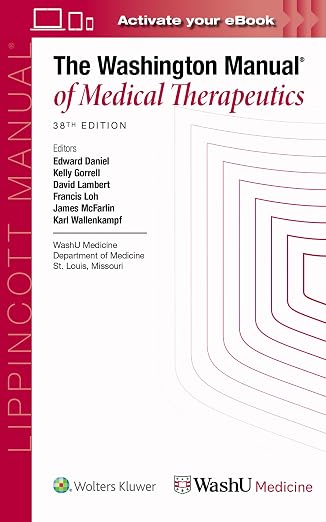
The Washington Manual of Medical Therapeutics
Washington University
38th edition · 2026A more detailed ward companion for admissions, common inpatient problems, and the transition into intern year.

Clinical equipment
Littmann Classic III Stethoscope
Littmann
Model 5620 · Black · 27-inchAn everyday bedside examination tool to consider for rotations and residency if you need to replace your current stethoscope.

Clinical equipment
The Physicians Folding Clipboard
Fellow Medical
Trifold · Letter-size paper · BlackA folding clipboard for organizing paper notes on rounds. Follow your hospital’s policies for patient information.

Scrubs
COZYFIT Women’s Scrub Set
COZYFIT
Women’s fit · Select size and color on AmazonA V-neck top and jogger set for clinical days. Check your hospital’s required color and whether it supplies scrubs.
Check current prices, editions, sizes, and seller details on Amazon.
Official resources
Common questions
What is the first thing to do if I do not match?
Confirm your match status and SOAP eligibility in the official system, then follow NRMP and application-service instructions.
Should I email programs immediately?
Not randomly. SOAP eligibility and communication rules matter. Follow official guidance first.