Key takeaways
- A strong IMG Match strategy starts with fit, eligibility, and evidence, not application volume alone.
- Applicants should build their program list from official data, program requirements, visa realities, and their strongest proof of readiness.
- Every part of the file should support one clear application thesis.
Start with one application thesis
Your Match strategy should be built around a simple thesis: why this specialty, why you are ready now, and why programs should trust your transition into U.S. supervised training. Without that thesis, the application becomes a pile of documents.
For many IMGs, the thesis might be recent U.S. clinical exposure plus strong Step 2 CK performance plus a clear primary care mission. For others, it may be research productivity plus specialty-specific mentorship plus a credible explanation of a gap year.
Build the program list in layers
Do not start with a spreadsheet of every program. Start with filters that actually control review: specialty, visa sponsorship, graduation-year preferences, USMLE attempts, ECFMG status, geography, IMG history, and mission fit. Then layer in signals, connections, and evidence.
A realistic list usually has several groups: programs that clearly fit your profile, programs where you have a mission or geography connection, and a smaller group of reaches where your strongest evidence still gives you a reason to apply.
- Eligibility filters: visa, graduation year, attempts, exam status, required documents.
- Fit filters: patient population, curriculum, fellowship or job goals, language skills, geography.
- Evidence filters: USCE, letters, research, service, work history, and interview readiness.
- Cost filters: application fees, travel or virtual interview demands, and realistic return on each application.
Repair the weakest signal first
Applicants often try to improve everything at once. A better strategy is to identify the one or two signals most likely to limit interviews. Low scores, attempts, old graduation year, no recent clinical experience, weak letters, poor specialty fit, and unclear visa status each require different repairs.
The repair should be visible before ERAS opens. A rushed rotation, vague research role, or generic letter added late may not change how programs read the file.
- No recent clinical evidence: prioritize supervised USCE or patient-facing U.S. health care roles.
- Weak interview performance: start story practice before invitations arrive.
- Low score: strengthen program targeting, letters, clinical evidence, and explanation strategy.
- Old graduation year: show recent clinical readiness and a clear reason for returning now.
Make the documents agree with each other
The personal statement, experiences, letters, signals, and interview answers should tell the same story. If your statement says underserved family medicine but your list is mostly unrelated programs with no geographic or mission fit, the strategy feels thin.
Before submitting, read the file like a program coordinator with two minutes. The main message should be obvious, current, and supported by evidence.
Books & equipment
Get ready for residency
Step 3 preparation, ward references, and clinical essentials selected for doctors working toward the Match and the start of residency.

Step 3
Master the Boards USMLE Step 3
Conrad Fischer
8th edition · 2026Work through management decisions alongside your Step 3 question bank and CCS practice.

Ward reference
Pocket Medicine
Marc S. Sabatine
9th edition · 2025A compact internal medicine reference for pre-round reading, clinical differentials, and reviewing the day’s cases.
Ward reference
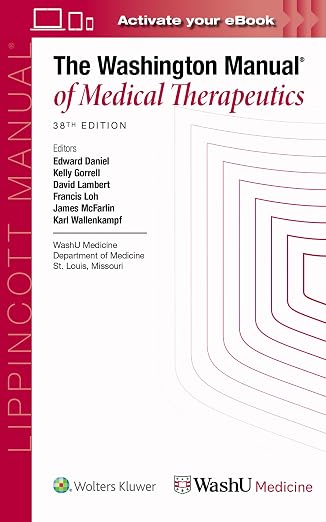
The Washington Manual of Medical Therapeutics
Washington University
38th edition · 2026A more detailed ward companion for admissions, common inpatient problems, and the transition into intern year.

Clinical equipment
Littmann Classic III Stethoscope
Littmann
Model 5620 · Black · 27-inchAn everyday bedside examination tool to consider for rotations and residency if you need to replace your current stethoscope.

Clinical equipment
The Physicians Folding Clipboard
Fellow Medical
Trifold · Letter-size paper · BlackA folding clipboard for organizing paper notes on rounds. Follow your hospital’s policies for patient information.

Scrubs
COZYFIT Women’s Scrub Set
COZYFIT
Women’s fit · Select size and color on AmazonA V-neck top and jogger set for clinical days. Check your hospital’s required color and whether it supplies scrubs.
Check current prices, editions, sizes, and seller details on Amazon.
Official resources
Common questions
How many programs should an IMG apply to?
There is no universal number. The better question is how many programs are realistic based on specialty, visa needs, graduation year, scores, USCE, letters, location, and program history.
What is the biggest strategic mistake IMGs make?
Applying broadly without filtering. Volume can help only when the programs are plausible reviewers of your file.