Key takeaways
- IMG Match planning works best when you work backward from ERAS submission, interview season, rank lists, and Match Week.
- Exam results, ECFMG steps, letters, USCE, and program research need separate deadlines.
- SOAP preparation should be done before Match Week, not after a status notification.
Twelve to eighteen months out: remove uncertainty
This is the phase for eligibility and evidence. Confirm ECFMG requirements, exam timing, graduation documents, visa needs, and whether your target specialty is realistic. If you need USCE or recent letters, this is when you start arranging them.
Do not build the timeline around best-case assumptions. Build it around score reporting, document delays, rotation availability, and the time needed to write clearly.
- Confirm ECFMG and USMLE requirements from official sources.
- Map Step 1, Step 2 CK, and Step 3 timing if relevant.
- Plan USCE early enough for letters to be written calmly.
- Start a program research sheet with eligibility filters.
- Identify whether you need visa sponsorship and which programs support it.
Six months out: build the application body
By the middle of the year, your experiences, CV, letters, and personal statement should be moving from rough notes to application-ready material. This is also when you should stop collecting random experiences and start aligning the file around your application thesis.
Use AAMC tools and worksheets to organize dates, descriptions, documents, and program research. The cleaner your inputs are now, the less chaotic submission season becomes.
- Draft experience descriptions with role, supervision, and outcome.
- Ask letter writers early and provide a truthful packet.
- Revise the personal statement around specialty fit and readiness.
- Narrow the program list with data and eligibility filters.
- Prepare explanations for gaps, attempts, or specialty transitions.
Submission to interviews: protect responsiveness
Once ERAS is submitted, your job changes. You need to monitor invitations, research each program quickly, prepare targeted answers, and keep your schedule organized. Interview performance can rescue a borderline file or weaken a strong one.
Create a program one-pager for every interview. Include mission, curriculum, patient population, visa notes, faculty interests, questions to ask, and why you fit.
Rank season and Match Week: decide before emotions peak
After interviews, write notes immediately. Your rank list should reflect true preference among programs where you would train, not rumors or fear. At the same time, prepare a SOAP folder before Match Week: updated documents, short specialty-specific statements, program-list boundaries, and rapid interview answers.
SOAP is time compressed. NRMP is the source for SOAP eligibility and unfilled program access, so do not rely on secondhand instructions when timing matters.
- Write post-interview notes within 24 hours.
- Rank based on genuine preference and verified program information.
- Prepare SOAP documents before Monday of Match Week.
- Know who your advisors are and how to reach them quickly.
- Keep all communication professional and compliant.
Books & equipment
Get ready for residency
Step 3 preparation, ward references, and clinical essentials selected for doctors working toward the Match and the start of residency.

Step 3
Master the Boards USMLE Step 3
Conrad Fischer
8th edition · 2026Work through management decisions alongside your Step 3 question bank and CCS practice.

Ward reference
Pocket Medicine
Marc S. Sabatine
9th edition · 2025A compact internal medicine reference for pre-round reading, clinical differentials, and reviewing the day’s cases.
Ward reference
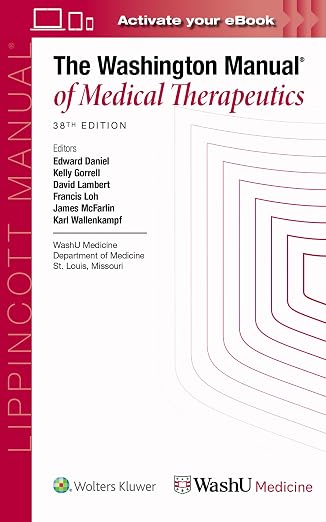
The Washington Manual of Medical Therapeutics
Washington University
38th edition · 2026A more detailed ward companion for admissions, common inpatient problems, and the transition into intern year.

Clinical equipment
Littmann Classic III Stethoscope
Littmann
Model 5620 · Black · 27-inchAn everyday bedside examination tool to consider for rotations and residency if you need to replace your current stethoscope.

Clinical equipment
The Physicians Folding Clipboard
Fellow Medical
Trifold · Letter-size paper · BlackA folding clipboard for organizing paper notes on rounds. Follow your hospital’s policies for patient information.

Scrubs
COZYFIT Women’s Scrub Set
COZYFIT
Women’s fit · Select size and color on AmazonA V-neck top and jogger set for clinical days. Check your hospital’s required color and whether it supplies scrubs.
Check current prices, editions, sizes, and seller details on Amazon.
Official resources
Common questions
When should IMGs start preparing for the Match?
Ideally 12 to 18 months before the intended Match cycle, especially if Step exams, ECFMG requirements, USCE, letters, or visa planning are unfinished.
Should I wait to prepare for SOAP?
No. Prepare documents, specialty boundaries, and interview answers before Match Week so you can respond quickly if needed.