Key takeaways
- A reapplication needs a new thesis, stronger evidence, and better targeting.
- The unmatched year should be explained through growth and output.
- Documents, letters, and interviews must show what changed.
Do not submit the same file twice
Reapplying with the same materials and a bigger list is usually not enough. Programs need to see what changed. Start by writing a before-and-after list for your application.
If the after column is thin, the file is not ready.
Rewrite the application thesis
The new thesis should explain why this specialty, why now, and what the unmatched year proves. Avoid making the personal statement a disappointment essay. Use it to show maturity and current readiness.
- Name the growth.
- Use one concrete example from the year.
- Connect the example to resident behavior.
- Show specialty fit through recent evidence.
- End with confidence.
Upgrade letters and experiences
New letters help only when they add stronger or more recent evidence. A generic new letter is not automatically better than an older specific one.
Remove or shorten experiences that distract from the new thesis. The file should feel more focused, not just larger.
Rebuild the list and interview plan
Use the prior cycle as data. Which programs responded? Which ignored the file? Were filters missed? The next list should be more precise.
Interview preparation should start before invitations. Practice the unmatched-year answer until it is short and grounded in what changed.
Books & equipment
Get ready for residency
Step 3 preparation, ward references, and clinical essentials selected for doctors working toward the Match and the start of residency.

Step 3
Master the Boards USMLE Step 3
Conrad Fischer
8th edition · 2026Work through management decisions alongside your Step 3 question bank and CCS practice.

Ward reference
Pocket Medicine
Marc S. Sabatine
9th edition · 2025A compact internal medicine reference for pre-round reading, clinical differentials, and reviewing the day’s cases.
Ward reference
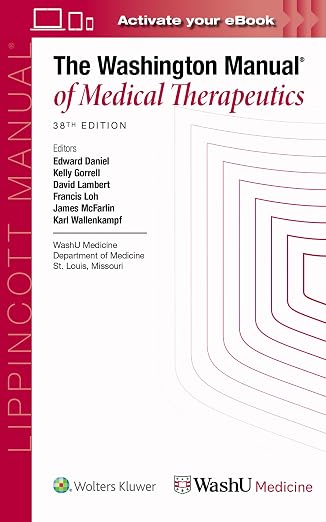
The Washington Manual of Medical Therapeutics
Washington University
38th edition · 2026A more detailed ward companion for admissions, common inpatient problems, and the transition into intern year.

Clinical equipment
Littmann Classic III Stethoscope
Littmann
Model 5620 · Black · 27-inchAn everyday bedside examination tool to consider for rotations and residency if you need to replace your current stethoscope.

Clinical equipment
The Physicians Folding Clipboard
Fellow Medical
Trifold · Letter-size paper · BlackA folding clipboard for organizing paper notes on rounds. Follow your hospital’s policies for patient information.

Scrubs
COZYFIT Women’s Scrub Set
COZYFIT
Women’s fit · Select size and color on AmazonA V-neck top and jogger set for clinical days. Check your hospital’s required color and whether it supplies scrubs.
Check current prices, editions, sizes, and seller details on Amazon.
Official resources
Common questions
How do I explain not matching?
Explain it briefly and professionally, then focus on what changed: clinical evidence, letters, research, exam performance, targeting, or interview preparation.
Should I reuse my old statement?
Usually no. You can keep core ideas, but the new statement should reflect what changed since the prior cycle.