Key takeaways
- IMGs should choose USMLE resources by bottleneck: foundations, question performance, retention, or CCS workflow.
- Bootcamp, Boards & Beyond, Pathoma, Sketchy, and First Aid help rebuild foundations.
- UWorld, NBME/USMLE official materials, AMBOSS, and CCS Cases drive exam performance decisions.
The IMG problem is not just content
IMGs often need to solve three problems at once: knowledge gaps from a different curriculum, English-language clinical vignette speed, and a residency application timeline. That means the best USMLE resource stack is not always the biggest one. It is the stack that gets you to a reliable score while leaving time for USCE, letters, ERAS, and interviews.
Start with official eligibility and exam information through USMLE and ECFMG. Then choose resources by your bottleneck: foundations, questions, retention, clinical reasoning, or CCS workflow.
If your foundations are weak
Use Bootcamp or Boards & Beyond when you need structured teaching. Use Pathoma if pathology is the recurring weak point. Use Sketchy when micro or pharm refuses to stick. Use First Aid as a map, not as your only teacher.
This is especially important for old graduates or IMGs who have been away from basic sciences for years. Jumping directly into random UWorld blocks can work for some learners, but for many it creates frustration before the knowledge framework is rebuilt.
If your issue is exam performance
Use UWorld as the main practice engine and NBME/official materials as checkpoints. Add AMBOSS only when you need a second Qbank, a clearer explanation, or rapid lookup. For Step 2 CK, build timed mixed blocks early enough that pacing and stamina become normal.
For Step 3, separate multiple-choice and CCS. UWorld can handle the main Qbank role, while CCS Cases gives you repeated case workflow practice with feedback.
A realistic IMG sequence
Step 1: build foundations, pass safely, and avoid turning pass/fail into endless perfectionism. Step 2 CK: treat it as application-sensitive and protect a study window that lets you score before ERAS if needed. Step 3: consider timing around visa strategy, application repair, and readiness, but confirm eligibility first.
Do not let resource shopping become a substitute for doing questions. The best plan is visible in your calendar: question blocks, review, weak-topic repair, official assessment dates, and rest.
Books & equipment
Your Step 3 reading list
For doctors who have completed Step 1 and Step 2 CK: compare Step 3 review books and ward references to support your next stage of preparation.

Step 3
Master the Boards USMLE Step 3
Conrad Fischer
8th edition · 2026Work through management decisions alongside your Step 3 question bank and CCS practice.

Step 3
First Aid for the USMLE Step 3
Tao Le & Vikas Bhushan
5th edition · Published 2018An alternative review outline for Step 3. This older edition needs to be paired with current guidance and question practice.

Step 3
Crush Step 3 CCS
Mayur Movalia
1st edition · Published 2013An older case-based CCS review to supplement current software practice and up-to-date management guidance.

Step 3
USMLE Step 3 Secrets
Elsevier
2nd edition · 2022A question-and-answer review option for short study sessions alongside a current Step 3 question bank.

Ward reference
Pocket Medicine
Marc S. Sabatine
9th edition · 2025A compact internal medicine reference for pre-round reading, clinical differentials, and reviewing the day’s cases.
Ward reference
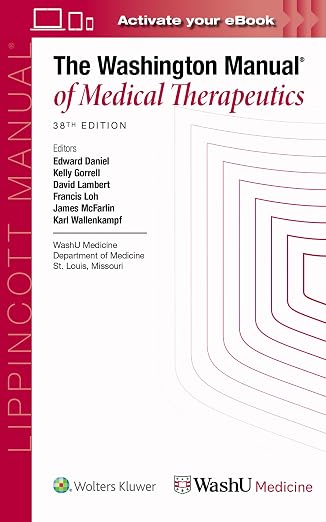
The Washington Manual of Medical Therapeutics
Washington University
38th edition · 2026A more detailed ward companion for admissions, common inpatient problems, and the transition into intern year.
Check current prices, editions, sizes, and seller details on Amazon.
Official resources
Common questions
How should IMGs choose USMLE resources?
Choose by bottleneck: foundation gaps, clinical vignette speed, question review, retention, CCS workflow, or official readiness checks. The right stack also has to fit the Match timeline.
Should IMGs study USMLE and residency strategy separately?
No. Exam timing, score reporting, USCE, letters, ERAS, and interviews interact. A strong plan protects time for both exam performance and application readiness.