Key takeaways
- A strong IMG application makes eligibility, readiness, specialty fit, and U.S. clinical evidence easy to understand.
- The file should reduce uncertainty rather than bury programs in generic activities.
- Program targeting, letters, statement, and interviews should support one thesis.
- Applicants should audit ERAS as both a reviewer and interviewer before submission.
Reduce uncertainty first
Program reviewers need quick answers: eligibility, exams, visa, ECFMG status, clinical recency, and specialty fit. Your application should make these answers easy.
Clarity is a competitive advantage. Do not make reviewers perform detective work. If a program has to guess whether you meet requirements, understand your role in a clinical experience, or believe your specialty story, the file loses strength.
The best IMG applications are not necessarily the loudest. They are coherent. Every major part of the file points to the same thesis: this applicant is eligible, prepared, teachable, and a good fit for this specialty.
Build around current evidence
Older achievements matter, but programs care about readiness now. Recent USCE, clinical work, Step performance, research, teaching, service, or simulation can show current preparation.
Current evidence is especially important for older graduates, applicants with gaps, applicants with attempts, and applicants changing specialties. The file should answer why you are ready for supervised U.S. residency today, not only why you became a doctor years ago.
If an activity does not add new evidence, do not overemphasize it. Use the limited attention of the application on the experiences that reduce doubt.
- USCE: supervised behavior and feedback.
- Research: output and mentor.
- Work: patient-facing skills and reliability.
- Service: mission fit and leadership.
- Simulation: practice and feedback, labeled accurately.
- Step 3: useful when it fits the broader strategy.
Make letters do real work
Letters should add evidence the rest of the file cannot fully prove. Choose writers who can describe observed communication, reasoning, reliability, and response to feedback.
A letter from a famous person who barely knows you may be weaker than a letter from a supervisor who can describe how you improved over four weeks. Specific behavior beats vague praise.
Give writers a packet with dates, role, goals, examples, CV, and deadline. The packet should help them remember what they observed, not tell them what to say.
Make the personal statement interpret the file
The personal statement should not repeat your CV. It should explain the pattern: why this specialty, how your experiences shaped readiness, and what you will bring to residency.
For IMGs, the statement can include international background, immigration, service, language skills, or career transition when those details support the residency case. It should not become a long apology or a biography with no specialty argument.
A strong statement helps a reviewer understand the file faster.
Target programs intentionally
Each program should have a reason: eligibility, IMG history, visa fit, geography, mission, specialty track, patient population, signal strategy, or connection.
A smarter list saves money and improves interview preparation. It also reduces the emotional chaos of applying everywhere and hoping. Program strategy is not only about volume. It is about fit, filters, and the story you can tell if invited.
Use program websites, AAMC tools, NRMP data, residency explorer resources, alumni knowledge, and your own constraints. Do not apply to programs where you clearly fail a stated requirement unless you have verified the requirement is flexible.
Prepare the interview story while building ERAS
ERAS and interviews are connected. Every major experience should be something you can discuss out loud. If you list an activity but cannot explain what you learned, what changed, or why it matters, the activity may not be doing enough work.
Build story notes while writing ERAS: one feedback story, one patient communication story, one teamwork story, one specialty-fit story, and one growth story. These become interview material later.
This is especially useful for IMGs because interviewers may ask about U.S. clinical readiness, international training, gaps, attempts, visa issues, and adaptation to a new system.
Audit the file before submission
Before submitting, read the file like a program coordinator with limited time. Can they find your eligibility, current status, specialty fit, letters, USCE, and visa situation if relevant? Are roles described accurately? Does the personal statement match the experiences? Do your most important activities appear clearly?
Then read it like an interviewer. What questions would you ask this applicant? Prepare those answers now.
A strong application reduces confusion and prepares the next conversation.
- Eligibility is clear.
- ECFMG and exam status are accurate.
- USCE roles are described honestly.
- Letters are recent and specific where possible.
- Program list matches filters and fit.
- Personal statement supports the same specialty thesis.
- Interview stories exist for the major experiences.
Books & equipment
Get ready for residency
Step 3 preparation, ward references, and clinical essentials selected for doctors working toward the Match and the start of residency.

Step 3
Master the Boards USMLE Step 3
Conrad Fischer
8th edition · 2026Work through management decisions alongside your Step 3 question bank and CCS practice.

Ward reference
Pocket Medicine
Marc S. Sabatine
9th edition · 2025A compact internal medicine reference for pre-round reading, clinical differentials, and reviewing the day’s cases.
Ward reference
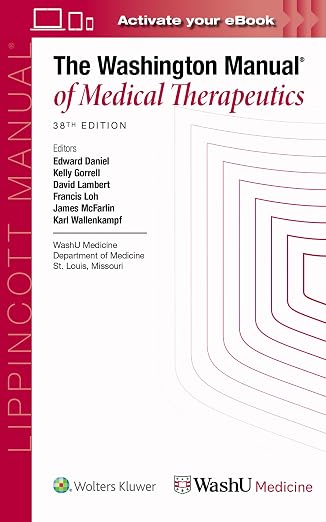
The Washington Manual of Medical Therapeutics
Washington University
38th edition · 2026A more detailed ward companion for admissions, common inpatient problems, and the transition into intern year.

Clinical equipment
Littmann Classic III Stethoscope
Littmann
Model 5620 · Black · 27-inchAn everyday bedside examination tool to consider for rotations and residency if you need to replace your current stethoscope.

Clinical equipment
The Physicians Folding Clipboard
Fellow Medical
Trifold · Letter-size paper · BlackA folding clipboard for organizing paper notes on rounds. Follow your hospital’s policies for patient information.

Scrubs
COZYFIT Women’s Scrub Set
COZYFIT
Women’s fit · Select size and color on AmazonA V-neck top and jogger set for clinical days. Check your hospital’s required color and whether it supplies scrubs.
Check current prices, editions, sizes, and seller details on Amazon.
Official resources
Common questions
What matters most for IMG applications?
Programs consider exam history, ECFMG status, USCE, letters, graduation year, visa needs, research, specialty fit, program list, and interviews.
How can IMGs make the file easier to review?
Use clear roles, recent evidence, accurate wording, strong letters, and a program list that matches eligibility and fit.
What is the biggest IMG application mistake?
The biggest mistake is submitting a file that forces programs to guess about eligibility, current readiness, U.S. clinical exposure, or specialty fit.