Key takeaways
- A low USMLE score requires realistic targeting and stronger surrounding evidence.
- Do not hide the score or overexplain it.
- Recent clinical performance, letters, Step 3 when appropriate, and interviews can shift attention to readiness.
Know what the score changes
A low score can affect screening. Study specialty competitiveness, program filters, attempts, score trends, and whether another exam can provide newer evidence.
Use data so you do not spend money on programs very unlikely to review the file.
Strengthen the surrounding signals
The rest of the file must answer why the program should still trust your readiness. Recent USCE, strong letters, specialty fit, research, Step 3 if useful, and interview performance can help.
- Recent USCE with feedback.
- Letters describing observed clinical behavior.
- Realistic program list.
- Step 3 if strategically appropriate.
- Interview answers that address the score without defensiveness.
Use a short explanation
If you address the score, acknowledge it, avoid excuses, state what changed, and point to current evidence. Long explanations make the score feel more central.
Example: My Step 2 CK score was below my goal. I changed my study method, focused on timed clinical reasoning, and built recent supervised clinical evidence where preceptors could evaluate my communication and reasoning.
Apply where the whole file can be read
Look for programs where mission, geography, language skills, USCE, research, or service gives a reason to read beyond the number. Every interview invitation matters, so practice score and growth questions early.
Books & equipment
Get ready for residency
Step 3 preparation, ward references, and clinical essentials selected for doctors working toward the Match and the start of residency.

Step 3
Master the Boards USMLE Step 3
Conrad Fischer
8th edition · 2026Work through management decisions alongside your Step 3 question bank and CCS practice.

Ward reference
Pocket Medicine
Marc S. Sabatine
9th edition · 2025A compact internal medicine reference for pre-round reading, clinical differentials, and reviewing the day’s cases.
Ward reference
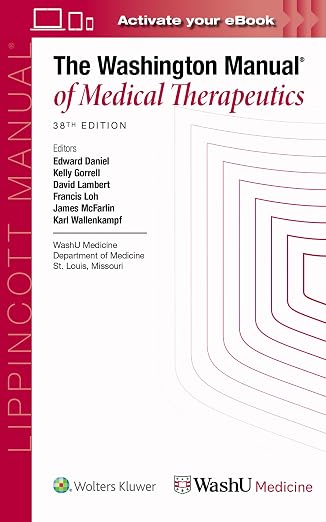
The Washington Manual of Medical Therapeutics
Washington University
38th edition · 2026A more detailed ward companion for admissions, common inpatient problems, and the transition into intern year.

Clinical equipment
Littmann Classic III Stethoscope
Littmann
Model 5620 · Black · 27-inchAn everyday bedside examination tool to consider for rotations and residency if you need to replace your current stethoscope.

Clinical equipment
The Physicians Folding Clipboard
Fellow Medical
Trifold · Letter-size paper · BlackA folding clipboard for organizing paper notes on rounds. Follow your hospital’s policies for patient information.

Scrubs
COZYFIT Women’s Scrub Set
COZYFIT
Women’s fit · Select size and color on AmazonA V-neck top and jogger set for clinical days. Check your hospital’s required color and whether it supplies scrubs.
Check current prices, editions, sizes, and seller details on Amazon.
Official resources
Common questions
Can I match with a low score?
It is possible in some specialties and profiles, but realistic targeting and stronger evidence in other areas become more important.
Should I explain it in my statement?
Sometimes, but briefly. Focus on what changed and what now proves readiness.