Key takeaways
- The Minnesota IMG Program is a useful example of state-backed IMG workforce support.
- Its model connects clinical preparation, grants, advising, and primary care needs.
- IMGs outside Minnesota can use it as a blueprint for local searches.
- Applicants should verify current eligibility, grant partners, deadlines, and how each support connects to ECFMG, ERAS, and residency readiness.
Why the Minnesota model matters
The Minnesota IMG Program matters because it is not just a private course, a rotation broker, or a coaching package. It is a state-level workforce model that treats immigrant international medical graduates as a public health resource.
Minnesota Department of Health materials describe the International Medical Graduate Assistance Program as a way to address barriers to practice, support integration into the Minnesota health care delivery system, and increase access to primary care in rural and underserved areas. That combination is exactly what makes the program worth studying, even for IMGs who live outside Minnesota.
The model is also useful because it shows the difference between real bridge infrastructure and generic IMG marketing. Serious bridge programs define whom they serve, what barrier they address, what public or university partner is responsible, and how the work connects to patient access.
What the state program is built to do
The state materials describe several responsibilities: maintaining a voluntary roster of immigrant IMGs interested in Minnesota's health workforce, developing clinical readiness assessment, awarding grants for career guidance, supporting clinical preparation, supporting primary care residency positions, collaborating with graduate medical education programs, and studying pathways into other health professions.
That is a much broader strategy than helping one applicant polish a CV. It asks a policy question: how can a state use the skills of physicians who already trained abroad but face licensing, documentation, exam, U.S. clinical exposure, and residency barriers?
For an individual IMG, the lesson is practical. If you are looking for bridge support, search for programs that solve a specific barrier. A good program should help you answer at least one of these questions: Am I clinically ready for U.S. residency? How do I obtain supervised preparation? How do I build credible references? How do I enter a health care role while continuing the physician pathway?
Understand the grant pieces
Minnesota's public pages separate different grant streams, which is part of why the model is so helpful. Career guidance, clinical preparation, residency preparation, and primary care residency support are different problems. Mixing them together is how applicants get confused.
The BRIIDGE grant is described as a residency preparation model. The clinical preparation grant is aimed at organizations that can help Minnesota immigrant IMGs gain additional clinical preparation or experience. The broader IMG program page also points to primary care residency support and career guidance.
Applicants should read the current grant page, not just a summary article. Grant cycles, funded organizations, deadlines, and eligibility can change. If a page is about funding organizations rather than direct applicant admission, contact the listed program or awardee to learn whether there is an applicant-facing pathway.
Check requirements the right way
State-backed programs can change funding, partners, deadlines, and eligibility. Do not rely on old posts, screenshots, social media comments, or another applicant's experience from a previous year.
Before you spend time on an application, confirm residency in Minnesota, immigration or work-authorization expectations, medical-school documentation, USMLE status, ECFMG status, language requirements, clinical-experience expectations, specialty focus, service commitments, application windows, and whether the opportunity is direct to applicants or offered through a partner organization.
Use email when possible so you have a written record. A short message is enough: I am an international medical graduate living in Minnesota. I am interested in the current IMG pathway or partner program. Could you confirm current eligibility, application dates, and whether applicants apply directly or through a funded organization?
Do not confuse bridge support with licensure
The Minnesota program can support workforce integration, readiness, and pathways, but it does not erase the national steps that IMGs face. ECFMG Certification, USMLE requirements, ERAS materials, NRMP participation, program-specific filters, visa issues, and state medical board rules still matter.
A strong bridge program helps you prepare for those systems. It does not promise that the systems disappear. Be careful with any organization that implies a guaranteed residency position, guaranteed letter, guaranteed interview, or shortcut around certification.
The right way to use bridge support is to turn it into evidence: documented training, supervised feedback, clinical communication growth, service to underserved communities, better application materials, and stronger interview stories.
How IMGs outside Minnesota can use the blueprint
Even if you are not eligible for Minnesota-specific support, the program gives you a search blueprint. Look for a public health department, state office of rural health, university department of family medicine, workforce development board, immigrant professional nonprofit, or federally qualified health center that sees internationally trained physicians as part of the local workforce solution.
The best search terms are not only IMG program. Try internationally trained health professionals, immigrant physicians, physician re-entry, rural primary care workforce, health workforce integration, foreign-trained physicians, and Welcome Back Center.
If you find only private services, widen the search. Private services may help with preparation, but the user's original request was specifically about university or state programs because those are usually more transparent and more connected to workforce needs.
Turn participation into application evidence
If you participate in a Minnesota-style program, keep a simple evidence log from the first week. Record workshops, clinical preparation, feedback themes, patient-facing volunteer work, community health exposure, presentations, mock interviews, document review, and any supervised assessment.
Do not wait until ERAS season to reconstruct what happened. Strong applications are built from specific proof: how your presentations changed, what feedback you implemented, how you served a community, what clinical systems you learned, and how your goals became more realistic.
This also helps with interviews. When a program asks why family medicine, why underserved care, why Minnesota, or how you adapted to U.S. medicine, you will have examples instead of slogans.
A practical Minnesota IMG checklist
Use this checklist before contacting any program or partner organization. It keeps the conversation specific and saves time for everyone.
- Confirm that your medical school meets current ECFMG eligibility rules.
- List your USMLE and ECFMG status honestly, including planned exam dates.
- Prepare proof of Minnesota residency or local connection if required.
- Gather diploma, transcript, immigration, identification, and work-authorization documents.
- Write a one-paragraph primary care or underserved-care mission statement.
- Ask whether the opportunity is open now, applicant-facing, and free or grant-supported.
- Track every program contact, deadline, requirement, and next step in one spreadsheet.
What a strong applicant takes from the model
The deepest lesson from Minnesota is strategic: do not build your IMG pathway around random purchases. Build it around barriers. If the barrier is clinical readiness, find supervised preparation. If the barrier is U.S. workplace fluency, find career guidance. If the barrier is community connection, find service. If the barrier is application evidence, collect documented feedback and outcomes.
Minnesota's program is not a magic door. It is better than that: it is proof that public systems can recognize the value of immigrant physicians and design real supports around them. Applicants who understand that model can search more intelligently, ask better questions, and avoid wasting money on services that do not move the residency case forward.
Books & equipment
Get ready for residency
Step 3 preparation, ward references, and clinical essentials selected for doctors working toward the Match and the start of residency.

Step 3
Master the Boards USMLE Step 3
Conrad Fischer
8th edition · 2026Work through management decisions alongside your Step 3 question bank and CCS practice.

Ward reference
Pocket Medicine
Marc S. Sabatine
9th edition · 2025A compact internal medicine reference for pre-round reading, clinical differentials, and reviewing the day’s cases.
Ward reference
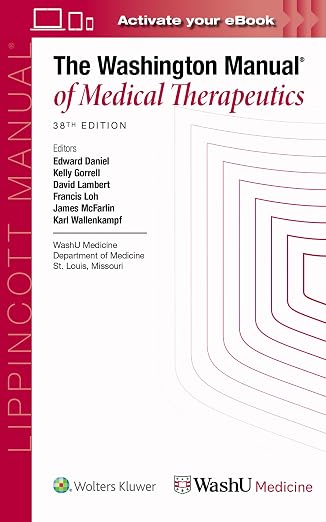
The Washington Manual of Medical Therapeutics
Washington University
38th edition · 2026A more detailed ward companion for admissions, common inpatient problems, and the transition into intern year.

Clinical equipment
Littmann Classic III Stethoscope
Littmann
Model 5620 · Black · 27-inchAn everyday bedside examination tool to consider for rotations and residency if you need to replace your current stethoscope.

Clinical equipment
The Physicians Folding Clipboard
Fellow Medical
Trifold · Letter-size paper · BlackA folding clipboard for organizing paper notes on rounds. Follow your hospital’s policies for patient information.

Scrubs
COZYFIT Women’s Scrub Set
COZYFIT
Women’s fit · Select size and color on AmazonA V-neck top and jogger set for clinical days. Check your hospital’s required color and whether it supplies scrubs.
Check current prices, editions, sizes, and seller details on Amazon.
Official resources
Common questions
Is the Minnesota IMG Program available to every IMG?
No. Eligibility is location- and program-specific. Confirm current requirements directly with the Minnesota Department of Health.
What can IMGs elsewhere learn from it?
They can learn what a state-supported model looks like: workforce goals, clinical preparation, grants, advising, and primary care pathways.
Does the Minnesota IMG Program replace ECFMG Certification or the Match?
No. Bridge programs can support readiness and access, but IMGs still need to follow ECFMG, USMLE, ERAS, NRMP, state licensing, and program-specific requirements.